
Direct-to-garment print, or DTG, is really changing the game for custom clothes. It’s like going from a black-and-white TV to a giant HD screen for your designs. This method lets you put all sorts of detailed pictures and colors right onto shirts, and it’s way easier to get started with than some other printing methods. Plus, it’s pretty good for the environment. Whether you’re making just a few shirts for fun or starting a whole business, understanding direct-to-garment print is super helpful. This guide will walk you through everything you need to know, from how it works to keeping your prints looking good.
Key Takeaways
- Direct-to-garment print uses inkjet technology to put designs straight onto fabric, making it great for detailed, colorful prints.
- It’s a flexible option that works well for small batches and custom orders, with less setup than older methods.
- Using water-based inks makes direct-to-garment print a more eco-friendly choice for printing apparel.
- The process involves preparing your design, pretreating the garment, and then printing the ink directly onto the material.
- Proper care, like washing inside out and avoiding high heat, is important to make your direct-to-garment print designs last.
Why Direct-To-Garment Print Is Your New Best Friend
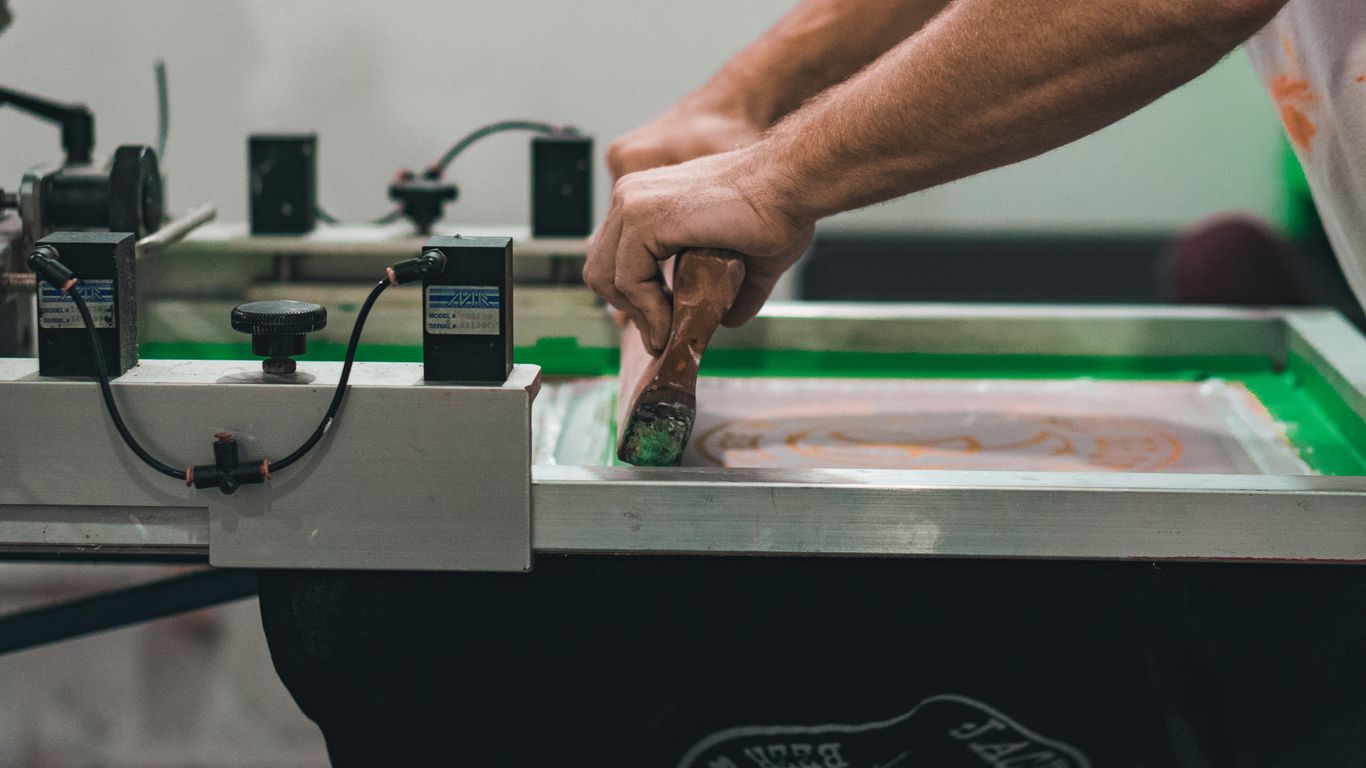
Okay, let’s talk about why Direct-to-Garment (DTG) printing is about to become your go-to method for custom apparel. Forget those old-school ways that made you order a hundred shirts just to get a decent price. DTG is like the cool, new kid on the block who actually listens to what you want.
The Personalization Party Is Here to Stay
Seriously, people are over boring, mass-produced stuff. Everyone wants their clothes to say something about them. Whether it’s a funny inside joke, a picture of your cat that you’re obsessed with, or a slogan that perfectly sums up your mood, DTG makes it happen. It’s not just a trend; it’s how people express themselves now. Think about it: custom t-shirts for birthdays, family reunions, or even just a Tuesday. It adds that special something that makes a plain old shirt feel like a million bucks. This is why DTG printing is ideal for startups looking to make a splash with unique items.
Eco-Friendly Ink: Good for Your Shirt, Good for the Planet
Remember when printing meant harsh chemicals and a whole lot of waste? DTG uses water-based inks, which are way kinder to the environment. This means less yucky stuff going down the drain and a healthier planet. Plus, these inks are designed to last, so your awesome design won’t fade away after a couple of washes. It’s a win-win: you get a great-looking shirt, and Mother Nature gets a little break.
From Zero to Hero: Minimal Setup, Maximum Awesome
One of the best things about DTG is how easy it is to get started. You don’t need a giant warehouse or a complicated setup. It’s pretty much like using a fancy inkjet printer, but for fabric. This means you can print just one shirt, or a hundred, without breaking the bank on setup costs. It’s perfect for testing out new designs or for those print-on-demand services where you only make what you sell. You can go from a cool idea to a finished product without a ton of hassle.
The demand for unique, personalized products is huge. People want items that reflect their personality, and DTG printing is the easiest way to deliver that without a massive upfront investment or complicated processes. It’s all about making custom apparel accessible and awesome for everyone.
The Nitty-Gritty of How Direct-To-Garment Print Works
Alright, let’s get down to the nitty-gritty of how this magic happens. You’ve got your awesome design, and you want it on a shirt. DTG printing is like a super-smart inkjet printer, but for fabric. It’s pretty straightforward once you break it down, but there are a few key steps that make all the difference between a shirt you love and a shirt that looks like it went through a washing machine… before you even bought it.
Design Prep: Making Your Art Look Less Like a Toddler’s Scribble
First things first, your artwork needs to be ready for its close-up. Think of this as getting dressed up for a fancy party. You wouldn’t show up in pajamas, right? Your digital file needs to be crisp and clean. We’re talking high resolution (at least 300 DPI is a good rule of thumb) and usually a PNG file with a transparent background. Why transparent? Because you don’t want a big white box around your cool design unless that’s, you know, part of the design. Getting the colors right is also a big deal. Your screen might show one thing, but the ink on fabric can look a bit different. So, making sure your color profiles are set up correctly is super important for accurate ink representation.
Pretreatment: The Secret Sauce for Sizzling Colors
This is where things get a little… sticky. For DTG to work its best, especially on darker shirts, the fabric needs a special liquid treatment. It’s not exactly glamorous, but this stuff is the secret sauce. It helps the ink stick properly and makes those colors pop like they’ve had a triple espresso. Without it, especially on cotton, the ink might just soak in and look dull, or worse, bleed out like a leaky faucet. It’s a bit of a messy step, and it can affect the feel of the shirt before printing, but it’s totally worth it for the final result.
The Grand Finale: Ink Meets Fabric
Now for the main event! The pretreated shirt gets loaded onto the DTG printer. This machine is basically a fancy inkjet printer that sprays tiny droplets of water-based ink directly onto the fabric. If it’s a dark shirt, it’ll lay down a white ink base first – think of it as a canvas for the colors. Then, the CMYK inks (cyan, magenta, yellow, and black) go on top, building your design layer by layer. The printer is super precise, laying down ink exactly where it needs to go. The result is a vibrant, detailed print that feels like part of the fabric itself, not just something stuck on top. It’s pretty cool to watch, honestly.
This whole process, from getting your file ready to the final print, is what makes DTG printing so versatile. It’s why you can get those super detailed graphics and photos on shirts without a ton of complicated setup, unlike some older methods.
Here’s a quick rundown of the steps:
- Design File Prep: High resolution, transparent background (usually PNG).
- Garment Pretreatment: Applying a liquid to help ink adhere and colors pop, especially on darks.
- Printing: The DTG machine sprays ink directly onto the fabric.
- Curing: The ink needs to be set, usually with heat, to make it permanent.
Choosing Your Direct-To-Garment Print Partner Wisely
Alright, so you’ve got your awesome designs ready to go, and you’re thinking about getting them onto some shirts. This is where picking the right print shop, or "partner" as we’re calling them, becomes super important. It’s not just about finding someone who owns a printer; it’s about finding someone who’s going to make your art look good and not give you a headache in the process. Think of it like choosing a chef for a really important dinner – you want someone who knows their stuff, right?
Don’t Be Shy: Ask About Their Support System
This is where you get to be a bit of a detective. A good print partner won’t just take your money and disappear. They should be able to answer your questions, and honestly, they should want to. What happens if something goes wrong? Do they have someone you can actually talk to, or is it just an endless loop of automated emails? A responsive and clear communication channel is non-negotiable. It’s like having a safety net; you hope you don’t need it, but it’s comforting to know it’s there. Ask them about their turnaround times, what their process is for handling issues, and if they can offer advice on your designs. If they seem cagey or dismissive, that’s a red flag.
File Prep: Because We All Hate ‘Error 404’
Nobody likes dealing with technical stuff, but when it comes to getting your art printed, how you prepare your files makes a huge difference. If your files are a mess, your prints will be a mess. A good print partner will have clear instructions on what they need. This usually involves specific file types (like PNGs or AI files), resolution requirements (think high-res, not blurry phone pics), and color modes. They might even have a handy guide on their website. Following these guidelines means your design will come out looking sharp and exactly how you imagined it. It’s like giving them the right ingredients to bake a perfect cake; you can’t expect a masterpiece if you hand them a bag of flour and call it a day. Some places even offer tools to help you check your files before you send them, which is pretty neat. You can even use tools to generate QR codes for your designs if you want to link customers to more info about your brand.
Price Tags and Minimums: Let’s Talk Turkey (or T-Shirts)
Okay, let’s get down to brass tacks: money. You need to know what you’re paying for and what you’re getting. Some places have minimum order quantities, meaning you have to buy a certain number of shirts, even if you only need a few. Others might be more flexible. It’s also worth comparing prices, but don’t just go for the cheapest option. Think about the quality of the print, how long it takes to get your order, and that support system we talked about earlier. Sometimes paying a little more upfront saves you a lot of grief later. Here’s a quick look at what to consider:
- Quality vs. Cost: Is the cheapest option going to fade after two washes?
- Minimum Orders: Can you afford to meet their minimums, or do you need a place that does single prints?
- Bulk Discounts: If you plan on ordering a lot, do they offer better prices for bigger batches?
- Hidden Fees: Are there setup fees or other charges you aren’t aware of?
Choosing a print partner is a big decision. It’s about finding someone who can translate your creative vision into a physical product without causing you undue stress or financial strain. Take your time, do your homework, and don’t be afraid to ask questions. Your t-shirts (and your sanity) will thank you.
When you’re looking for a place to print, remember that some services specialize in different areas. For instance, if you’re looking for a printer that can handle a wide range of fabrics and complex designs, you might look into DTF transfers as an option, which can be a great complement to traditional DTG.
Application Station: Getting Your Direct-To-Garment Print On
Alright, you’ve got your awesome design, you’ve prepped your shirt like a pro, and now it’s time for the main event: getting that print onto the fabric. Think of this as the grand finale, where all your hard work comes together. It’s not rocket science, but you do need the right gear and a bit of know-how to make sure your print doesn’t end up looking like a sad, smudged mess.
The Essential Toolkit for DTG Transfer Triumph
Before you even think about pressing that button, let’s make sure you’ve got your ducks in a row. You wouldn’t try to bake a cake without an oven, right? Same deal here. You need a few key players on your team:
- A Heat Press: This is non-negotiable. Forget the iron; it’s just not going to cut it. A good heat press gives you consistent temperature and pressure, which is super important for making that ink stick like glue.
- Your DTG Printer & Ink: Obviously! Make sure your printer is humming along nicely and has fresh ink. Nobody wants a print that’s missing a color because the magenta decided to take a vacation.
- Pretreated Garments: Remember that pretreatment stuff we talked about? Yeah, you need that. It’s the secret handshake between the ink and the fabric.
- A Reliable Power Source: Don’t skimp here. A good, stable power supply keeps your printer and press happy and prevents any unexpected shutdowns mid-print. Trust me, you don’t want that.
- A Clean Workspace: Sounds basic, but seriously. Dust bunnies are the enemy of a crisp print. Keep your area tidy.
Step-by-Step to a Flawless Finish (No Tears Allowed!)
Okay, toolkit assembled? Let’s get this show on the road. Follow these steps, and you’ll be printing like a seasoned pro in no time. The key is consistency – don’t rush it!
- Get Your Design Ready: Load your design file into your DTG printer’s software. Double-check the size and resolution. You want it sharp, not blurry.
- Load the Garment: Carefully place your pretreated shirt onto the printer’s platen. Make sure it’s smooth and wrinkle-free. Any bumps will show up in the print.
- Print Time: Hit that print button! Watch as the magic happens. For darker shirts, the printer will lay down a white base layer first, then the colors on top. It’s a beautiful dance of ink.
- Curing the Print: Once the ink is on the shirt, it needs to cure. This usually involves a heat press. You’ll need to set your heat press to the correct temperature and time, as recommended by your ink manufacturer. This step locks the ink into the fabric, making it durable.
- Cool Down (Sometimes): Depending on the ink and process, you might need to let the print cool slightly before peeling off any transfer paper or film. Again, check those manufacturer guidelines – they’re your best friend here.
Applying DTG prints might seem a bit intimidating at first, but once you get the hang of the temperature, pressure, and timing, it becomes second nature. It’s all about giving the ink the right conditions to bond permanently with the fabric. Think of it as giving your design a warm, firm hug from the shirt itself.
And there you have it! A print that’s ready to turn heads. If you’re looking to get a handle on the whole setup, understanding the full setup of a DTG printer can be a good starting point.
Keeping Your Direct-To-Garment Print Looking Fab
So, you’ve got these awesome, custom-printed shirts, and you want them to stay looking fresh, right? It’s not rocket science, but there are a few things to keep in mind so your masterpiece doesn’t end up looking like a sad, faded hand-me-down after just a few washes. Think of it like taking care of a fancy new gadget – a little TLC goes a long way.
Wash Wisely: The Gentle Art of Laundry
First off, let’s talk about the washing machine. It’s a necessary evil, but it can be brutal on prints. The golden rule? Turn that bad boy inside out. Seriously, this is probably the single most important thing you can do. It protects the design from rubbing against other clothes or the drum itself. Next, ditch the hot water. Stick to cold or, at most, lukewarm water. High temps are like kryptonite to the ink and adhesive. And for the love of all that is holy, use a gentle cycle. No need to put your shirt through the wringer like it owes you money.
Here’s a quick rundown for the laundry-averse:
- Inside Out: Always, always, always.
- Cold or Lukewarm Water: Think cool, not boiling.
- Gentle Cycle: Let the machine do its thing softly.
- Mild Detergent: Avoid anything with bleach or harsh chemicals. Fabric softeners are also a no-go; they can mess with the print’s stickiness over time.
Remember to give your freshly printed garment a good 24 hours, ideally more like 48-72 hours, before its first wash. This lets the ink and adhesive fully cure and bond with the fabric. Washing too soon is like trying to run a marathon right after surgery – not a good idea.
Ironing Out the Wrinkles (Without Melting Your Masterpiece)
Okay, ironing. This is where things can get dicey. Never, ever iron directly on the print. The heat from the iron will melt the adhesive and basically fuse your design into a sticky, ruined mess. If you absolutely must iron a wrinkled spot, flip the shirt inside out and use the lowest heat setting. Alternatively, you can place a thin piece of cloth or parchment paper over the print before ironing, but honestly, just avoiding direct contact is the safest bet. If you’re using a dryer, keep the heat on low or just air dry. High heat is the enemy here.
Chemical Warfare: What to Avoid Like a Bad Date
This one’s pretty straightforward. Bleach? Nope. Harsh stain removers? Absolutely not. Anything that sounds like it could strip paint off a wall is probably going to do a number on your shirt print too. These chemicals can cause discoloration, peeling, and general print sadness. Stick to the mild stuff, and your prints will thank you by sticking around for the long haul. For more on keeping your printer in tip-top shape, check out this guide on DTF printer maintenance.
Direct-To-Garment Print vs. The Rest of the Gang
Alright, let’s talk turkey – or, you know, t-shirts. You’ve heard the buzz about DTG, but how does it stack up against the old guard and the new kids on the block? It’s like comparing your favorite band to a bunch of cover artists. Some are good, some are… well, let’s just say they have their moments.
DTG vs. HTV: The Vinyl Countdown
Heat Transfer Vinyl (HTV) is that stuff you see on sports jerseys – those crisp numbers and names. It’s basically a special vinyl that gets cut into shapes and then heat-pressed onto your shirt. It’s great for simple text, logos, and designs with just a few solid colors. Think of it as the minimalist of the printing world.
- Pros: Super durable, great for bold, simple graphics, and can work on a wider range of fabrics than DTG, including polyester blends. It’s also pretty cost-effective for small runs of simple designs.
- Cons: Forget about gradients, complex shading, or photo-realistic images. You’re limited to the colors of the vinyl you have, and layering too many colors can make the design feel stiff and thick. Plus, cutting and weeding intricate designs is a real pain.
- DTG’s Edge: DTG can handle way more colors, intricate details, and gradients without breaking a sweat. It feels softer on the shirt too, like the ink is part of the fabric, not just stuck on top.
DTG vs. Screen Printing: Old School vs. New School
Screen printing is the OG. It’s been around forever and is still a workhorse, especially for big orders. The process involves pushing ink through a mesh screen, with a separate screen for each color in your design. It’s like stenciling, but way more professional.
- Pros: For large quantities of the same design, screen printing is usually the most cost-effective. The prints are super durable and vibrant. It’s a solid choice if you need 100+ shirts with a simple, multi-color logo. Screen printing has been around for decades for a reason.
- Cons: The setup time and cost for each screen can be a killer for small orders. If your design has more than, say, four colors, the price can skyrocket, and the setup gets complicated fast. It’s not ideal for one-off custom pieces or designs with tons of detail.
- DTG’s Advantage: DTG has virtually no setup cost, making it perfect for single shirts or small batches. You can print a full-color, complex design without worrying about the number of colors or setup fees. It’s the go-to for print-on-demand services.
DTG vs. Sublimation: A Colorful Comparison
Sublimation is a bit of a magician. It turns solid ink into a gas, which then dyes the fabric itself. This means the print is literally part of the material, and it’s incredibly vibrant. However, there’s a catch: it only works on polyester or poly-blend fabrics, and they have to be light-colored.
- Pros: Extremely durable, won’t fade or crack, and feels completely smooth because it dyes the fabric. It’s fantastic for all-over prints on performance wear or items where you want a super vibrant, integrated design.
- Cons: The fabric limitation is a big one. If you want to print on cotton or dark garments, sublimation is a no-go. You also can’t achieve that soft, slightly textured feel that DTG can give on cotton.
- DTG’s Sweet Spot: DTG shines on cotton and cotton blends, which are super common for everyday apparel. It offers a softer feel and works great on both light and dark garments, giving you more flexibility for a wider range of projects.
So, while each printing method has its own superpowers, DTG really hits the sweet spot for versatility, detail, and ease of use, especially when you’re not printing thousands of identical shirts. It’s the modern answer for custom apparel that feels good and looks amazing.
So, What’s the Takeaway?
Alright, we’ve covered a lot of ground, from making sure your designs don’t look like they were drawn by a toddler with a crayon to understanding why your printer might be acting like a moody teenager. Direct-to-Garment printing is pretty neat, huh? It’s like the Swiss Army knife of custom apparel – versatile, detailed, and way less messy than trying to screen print in your garage. Whether you’re just starting out or trying to level up your t-shirt game, DTG is your friend. Just remember to keep those designs high-res, pick the right shirts, and maybe give your printer a little pep talk now and then. Happy printing, folks!
Frequently Asked Questions
What exactly is Direct-to-Garment (DTG) printing?
Think of DTG printing like using a special inkjet printer, but instead of paper, it prints directly onto clothes like t-shirts! It uses special inks that soak into the fabric, creating cool, colorful designs. It’s awesome for making unique shirts because you can print almost any design, even photos, without a lot of setup.
What kind of designs work best with DTG printing?
DTG is fantastic for detailed and colorful designs. You can print things like photos, pictures with lots of colors, and even designs that fade from one color to another (gradients). It’s great for artwork that would be too hard or expensive to make with other printing methods.
What fabrics can I print on using DTG?
DTG printing works best on natural fabrics, especially cotton. It also works well on cotton blends. For the most vibrant and long-lasting prints, 100% cotton is usually the top choice. It’s not the best for synthetic materials like pure polyester.
How do I take care of my DTG-printed shirts?
To keep your cool designs looking great, wash your shirts inside out in cold water with a mild detergent. Avoid using bleach or fabric softeners, as they can harm the print. It’s best to air dry your shirts or tumble dry them on a low heat setting. Never iron directly on the printed design!
Is DTG printing good for small orders or just big ones?
One of the best things about DTG is that it’s perfect for small orders! You can print just one shirt with a unique design without paying a lot for setup. This makes it ideal for personalized gifts, small businesses testing out designs, or creating custom outfits for a group.
What’s the difference between DTG and other printing methods like screen printing?
Screen printing is like using stencils to put ink on a shirt, and it’s good for large batches of the same design with fewer colors. DTG, on the other hand, uses a digital printer for super detailed, full-color designs and is way better for small runs or one-off prints. Think of DTG as the high-tech, flexible option for custom designs.