
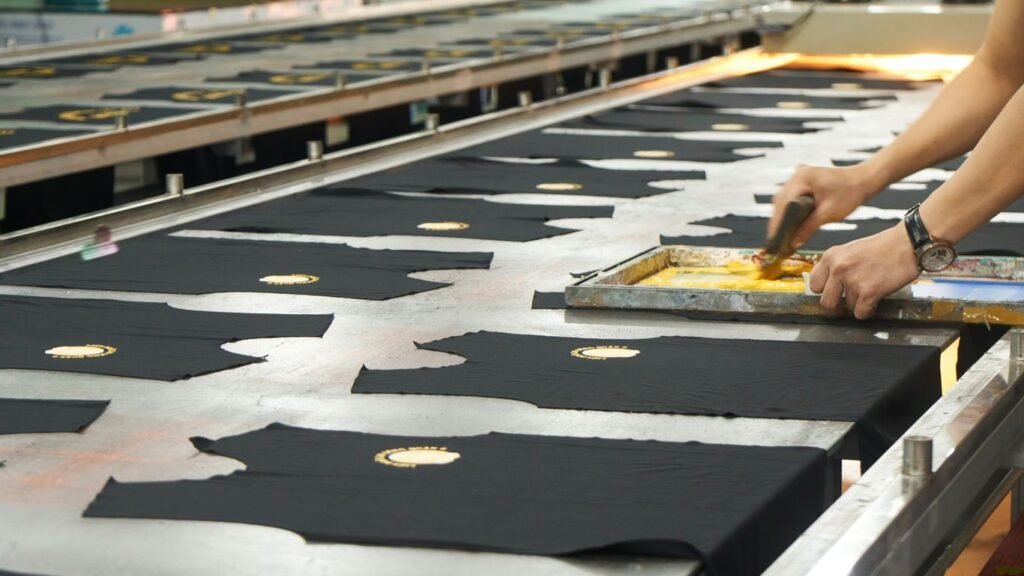
So, you’re looking to get some custom shirts made, huh? Maybe for your band, your business, or just a really cool idea you had. You’ve probably heard about DTG and DTF printing, and maybe you’re wondering what the big deal is. They both sound pretty similar, right? Well, they’re not exactly the same. We’re going to break down dtf printing vs dtg so you can figure out which one is actually going to work best for what you need. It’s not as complicated as it sounds, promise.
Key Takeaways
- DTG printing puts ink straight onto the fabric, great for super detailed designs, especially on cotton shirts, and it feels really soft. Think of it like printing directly onto your clothes.
- DTF printing puts the design on a special film first, then transfers it to the shirt. This method is really flexible, works on more types of fabric, and the colors pop, but the print might feel a little more like a layer on top.
- When it comes to cost, DTG printers usually cost more to buy upfront but are cheaper to run over time, making them good for businesses that print a lot. DTF printers are cheaper to start with but cost more to operate, which is good for new businesses or those with varied orders.
- For durability, DTF prints often last longer and handle washing better, especially on different materials. Both methods need decent care, though, to keep your designs looking good.
- Choosing between dtf printing vs dtg really comes down to what you’re making. Small, detailed, soft-feel custom jobs? DTG might be your guy. Need to print on different fabrics, want super bright colors, or have a bigger order? DTF is likely the better bet.
The Tech Behind the Magic: What’s Actually Happening?
Alright, let’s get down to the nitty-gritty of how these fancy custom shirts actually get made. It’s not magic, though sometimes it feels like it when you see a killer design pop onto a plain tee. We’re talking about two main players here: Direct-to-Garment (DTG) and Direct-to-Film (DTF).
Direct-to-Garment: Ink Directly Onto Your Threads
Think of DTG like a super-powered inkjet printer, but instead of paper, it’s printing straight onto your shirt. A specialized printer sprays water-based inks right onto the fabric. For lighter colored shirts, it’s pretty straightforward. For darker ones, there’s a bit of a dance involved – a pretreatment solution gets applied first to make sure the colors don’t just soak in and disappear. Then, the magic happens with the ink. After printing, a heat press is used to cure the ink, making it stick around for the long haul. This method is fantastic for intricate designs and a wide range of colors, almost like printing a photo onto your clothes. It feels super soft because the ink actually becomes part of the fabric fibers, so you don’t feel a thick layer sitting on top. It’s like the design is just there, part of the shirt itself.
- Pros:
- Super soft feel on the fabric.
- Great for detailed, multi-color designs.
- No setup for small runs or one-offs.
- Cons:
- Best on 100% cotton or high-cotton blends.
- Can be slower for large orders.
- Requires regular printer maintenance to avoid clogs.
DTG is like having a digital artist paint directly onto your canvas, but the canvas is a t-shirt and the paint is special ink that bonds with the threads.
Direct-to-Film: The Film-to-Fabric Fling
DTF is a bit of a two-step process, and honestly, it’s pretty clever. First, your design is printed onto a special plastic film using special inks. Then, a layer of adhesive powder is applied to the wet ink. After that, it’s cured with heat. This whole film, now with your design on it, is called a transfer. You can then take this transfer and, using a heat press, apply it to pretty much any fabric you want – cotton, polyester, blends, even leather! It’s super versatile. Because it prints onto a film first and then transfers, the ink sits a bit more on top of the fabric rather than soaking in. This can make the print feel a little thicker, almost like a sticker, especially if you have a large, solid area of color. But hey, this flexibility is what makes it a game-changer for different materials.
- The DTF Process:
- Why it’s cool:
So, while DTG is all about the direct connection between ink and fabric, DTF uses a film intermediary to achieve its magic. Both have their quirks and strengths, and we’ll get into which one might be your new best friend later.
Looks and Feels: The Aesthetic Showdown
So, you’ve got your awesome design ready to go. Now, how does it actually look and feel on a shirt? This is where DTG and DTF start to show their personalities, and honestly, it’s not always a clear winner. It’s more about what vibe you’re going for.
Pixel Perfection vs. Vibrant Vibes
Direct-to-Garment (DTG) printing is like a super-talented artist painting directly onto your shirt. It’s fantastic for super detailed graphics, gradients, and photos. The ink soaks right into the fabric, giving you a really smooth finish that looks like part of the shirt itself. Think of it as a high-resolution photograph printed on cotton. It’s great for intricate designs where every tiny detail matters.
Direct-to-Film (DTF), on the other hand, is all about making those colors pop. It prints your design onto a special film first, then transfers it to the shirt using heat. This process often results in brighter, more saturated colors, especially on darker fabrics. DTF can make your design look like it’s glowing, even without special inks. It’s like taking your design and giving it a super-powered glow-up.
Does It Feel Like a Sticker or a Hug?
This is where the tactile experience comes in, and it’s a big deal for comfort. DTG prints tend to feel incredibly soft, almost like the ink just disappears into the fabric. It’s like getting a gentle hug from your t-shirt. You really don’t feel the print much at all, which is awesome for all-day wear.
DTF prints, because they involve a transfer layer, can have a slightly different feel. Early DTF prints sometimes felt a bit like a plastic sticker, which wasn’t always the most comfortable. However, the technology has come a long way! Newer DTF films offer a much smoother, more flexible feel that’s surprisingly comfortable. It’s still a bit more noticeable than DTG, adding a slight texture, but it’s definitely not the stiff, plasticky feel of the past. It’s more like a smooth, slightly raised design element.
Here’s a quick rundown:
- DTG Feel: Soft, integrated, like the ink is part of the fabric. Minimal texture.
- DTF Feel: Smooth, slightly raised, with a bit more texture. Can feel like a thin, flexible layer.
The choice between a soft, integrated feel and a vibrant, slightly textured finish often comes down to personal preference and the specific look you want for your apparel. Both methods have improved significantly, blurring the lines, but distinct differences remain.
When you’re thinking about how your custom apparel will feel, consider the trade-off between the super-soft, almost invisible feel of DTG and the bold, vibrant look that DTF printing can achieve, even with its slightly more noticeable texture.
The Wallet Watch: Cost and How Fast You Can Crank ‘Em Out
Alright, let’s talk brass tacks. When you’re looking at Direct-to-Film (DTF) versus Direct-to-Garment (DTG) printing, the money talk is a big one. It’s not just about the sticker price of the machine; it’s about what it costs to keep the ink flowing and how quickly you can actually get shirts out the door.
Initial Investment: Who Needs a Second Mortgage?
When you’re just starting out, or maybe looking to add a new trick to your apparel customization repertoire, the upfront cost is a major hurdle. DTG printers, bless their high-tech hearts, tend to be the pricier option to get your hands on. They’re complex beasts, and that complexity translates to a bigger dent in your wallet initially. DTF printers, on the other hand, are generally more budget-friendly to acquire. This makes them a tempting choice for folks dipping their toes into custom apparel or those who need to keep initial overhead low. Think of it like buying a car: a reliable used sedan (DTF) versus a brand-new luxury SUV (DTG).
The Long Game: Running Costs and Your Bottom Line
But hold up, the initial price tag isn’t the whole story. You’ve got to consider the ongoing expenses. DTG printers, once you’ve bought them, often have lower running costs. The ink is usually cheaper per print, and they tend to be more ink-efficient for certain jobs. DTF, while cheaper to buy, can have higher running costs. The film, the powder, and sometimes the inks themselves can add up, especially if you’re printing a ton. It’s a classic trade-off: pay more upfront for potentially lower long-term costs, or save now and spend more per item later.
Here’s a quick peek at the cost breakdown:
| Aspect | DTG Printers | DTF Printers |
|---|---|---|
| Initial Cost | High | Low |
| Running Costs | Low | High |
| Order Suitability | Small-batch, custom | Larger batch |
Remember, the ‘cheaper’ option isn’t always the cheapest in the long run. It really depends on how much you plan to print and what kind of jobs you’re taking on.
Speed Demons: Small Batches vs. The Marathon
Now, let’s talk speed. How fast can these machines actually churn out your awesome designs? For small, one-off custom orders, DTG can be pretty straightforward. You load the shirt, hit print, and it’s done. DTF involves a few more steps with the film transfer, which can add a little time per shirt if you’re only doing one or two. However, when you start talking about larger batches – like a whole team’s uniforms or a batch of merchandise – DTF really starts to shine. You can print multiple designs on the film at once, and then use an assembly-line approach to cure and press them. This makes DTF significantly faster for bulk orders. So, if you’re a small operation focusing on unique, custom pieces, DTG might be your jam. If you’re looking to scale up and handle big orders efficiently, DTF often has the edge. It’s all about matching the tech to your business goals, whether you’re printing a single Chinese dragon t-shirt or a hundred of them.
Built to Last (Or Not): Durability and Keeping Your Machine Happy
So, you’ve got your awesome custom shirts. Now, how do they hold up after a few trips through the washing machine? And more importantly, how do you keep the fancy printing machines from staging a rebellion?
Washability Wars: Surviving the Laundry Gauntlet
This is where things get interesting. Both Direct-to-Garment (DTG) and Direct-to-Film (DTF) printing have their own battle scars, or lack thereof. Generally speaking, DTF prints tend to have a bit of an edge when it comes to sheer toughness. They often feel a little more like a durable layer on top of the fabric, which can make them super resistant to fading and cracking, even after a bunch of washes. Think of it like a really good sticker that somehow bonded with your shirt. DTG, on the other hand, inks directly into the fabric. This gives it a softer feel, like the design is part of the shirt itself, but it can sometimes be a tad more susceptible to wear and tear over time, especially on certain fabrics.
Here’s a quick rundown:
- DTF: Often more resistant to fading and cracking. Feels like a slight layer on the fabric.
- DTG: Softer feel, integrates with the fabric. Can be more prone to wear over many washes.
Ultimately, how well your print lasts depends on a mix of the printing method, the inks used, the fabric itself, and, let’s be honest, how you treat it in the wash. Turning shirts inside out and avoiding super hot water can work wonders for both.
Machine Maintenance: Keeping Your Printer From Throwing a Tantrum
Nobody wants a printer that decides to take an unscheduled nap, especially when orders are piling up. Keeping these machines happy is key to consistent, quality prints. For DTG printers, the main villain is usually ink clogs. You’ve got to run those cleaning cycles regularly, flush the lines, and make sure you’re using the right kind of ink. It’s like giving your printer a spa day, but with more chemicals and less cucumber water.
DTF printers have their own set of quirks. You’re not just maintaining the printer itself, but also the film and powder application system. This means keeping the film clean, ensuring the powder is applied evenly, and that the curing process is spot on. A little bit of neglect here can lead to prints that peel or don’t adhere properly. It’s a bit more involved, but hey, nobody said getting those vibrant "I Eat Cement Funny Cat Meme Internet Memes Funny Memes Gen-Z T-Shirt"s was going to be effortless.
- DTG Maintenance: Focuses on preventing ink clogs through regular cleaning and flushing.
- DTF Maintenance: Involves the printer, film, powder, and curing stages. Requires attention to detail.
- General Tip: Always follow the manufacturer’s specific maintenance schedule. Skipping it is like playing Russian roulette with your production line.
Ignoring maintenance is a fast track to print quality issues and expensive repairs. It’s way cheaper to do the routine upkeep than to fix a major breakdown. Think of it as preventative medicine for your printing business, ensuring you can keep churning out those awesome "Christian Faith Scripture Loaves Fishes Jesus Miracle T-Shirt"s without a hitch.
Project Perfect: Which Method Is Your New Best Friend?
Alright, so you’ve waded through the tech-speak and the feel-factor, and now it’s time to figure out which printing pal is going to be your ride-or-die. It’s not a one-size-fits-all situation, folks. Think of it like choosing between a trusty old pickup truck and a zippy sports car – both get you places, but they’re good for different kinds of trips.
The Little Guy vs. The Big Kahuna: Order Sizes
If you’re the type who loves churning out a few unique, super-detailed shirts for your band or a small batch of personalized gifts, Direct-to-Garment (DTG) might be your jam. It’s like a meticulous artist, perfect for those smaller, more intricate jobs where every pixel counts. On the flip side, if you’re looking to outfit a whole soccer team, a corporate event, or a whole online store with consistent designs, Direct-to-Film (DTF) is probably your speed. It’s the marathon runner of the printing world, built for volume without breaking a sweat. DTF can handle those big orders more efficiently, making it a solid choice for scaling up.
Fabric Fanatics: Who Likes What Material?
This is where things get a little picky. DTG really loves 100% cotton. It’s like its favorite food. While it can handle some blends, you might not get the same pop. DTF, however, is way more of a social butterfly. It’s happy printing on pretty much anything – cotton, polyester, blends, even those tricky synthetic fabrics that other methods shy away from. So, if you’re dreaming of printing on a cozy fleece hoodie or a slick athletic shirt, DTF is likely your go-to. It’s a real chameleon when it comes to different textiles.
Design Drama: Complexity and Color Pop
When your design is a masterpiece of tiny details and a rainbow of colors, DTG can often deliver that super-soft feel because the ink soaks right into the fabric. It’s great for complex graphics where you want that integrated look. But, if you’re aiming for colors that practically leap off the shirt, especially on darker garments, DTF often has an edge. It lays down a vibrant layer that can really make those designs sing, giving you that wow factor. Think of a bright, bold graphic like this cute hedgehog floral autumn woodland animal boho t-shirt – DTF can make those colors pop.
Choosing the right method boils down to what you’re making and for whom. Don’t overthink it; just match the printer’s strengths to your project’s needs. It’s less about which is ‘better’ and more about which is ‘right’ for your specific gig.
So, there you have it. DTG for the detailed, cotton-loving, small-batch crowd, and DTF for the versatile, multi-fabric, big-order hustlers. Now go forth and print with confidence!
The Hybrid Hero and Other Innovations
When Two Become One: The Hybrid Approach
So, you’ve been wrestling with the DTG versus DTF decision, right? It’s like choosing between a comfy old t-shirt and a fancy new jacket – both have their place. Well, some clever folks looked at this dilemma and thought, "Why not have both?" Enter the hybrid printer. These machines are basically the Swiss Army knives of apparel printing. They can do the direct-to-garment magic for those super soft, cottony vibes, and then switch gears to do the direct-to-film transfer for when you need that extra pop on trickier fabrics or want to tackle bigger runs. It’s like having a personal assistant who’s also a master chef – they can handle all your needs.
Think of it this way:
- DTG Mode: Perfect for that "C’mon Get Happy Retro Quail Family Cute Design" t-shirt on a soft cotton blend, giving you that breathable, integrated feel. Amazon.com
- DTF Mode: Ideal for polyester sports jerseys or those bags you want to sell in bulk, where durability and vibrant colors on a wider range of materials are key.
- The Best of Both Worlds: You get the flexibility to switch between jobs without needing two separate, expensive machines. It simplifies your workflow and your budget.
This kind of innovation is changing the game for small businesses and hobbyists alike. It means you don’t have to be a giant corporation to offer a wide variety of printed goods. You can experiment, grow, and adapt without breaking the bank.
Brands Making Waves in the Printing Pool
It’s not just about the tech itself; it’s about who’s pushing the boundaries. Companies like Epson have jumped into the hybrid arena, offering machines that blend DTG and DTF capabilities. This means you can get that high-detail print on cotton and then easily switch to a film transfer for synthetics, all from one unit. It’s a pretty neat trick that simplifies things a lot. Then you’ve got companies like OmniPrint, who are really focusing on making DTF accessible with a range of machines for different needs. Whether you’re just starting out or looking to scale up, there’s likely a solution out there. The whole printing scene is getting more interesting, and honestly, it’s making it easier for anyone with a cool design idea to bring it to life on various fabrics.
So, Which One Should You Pick?
Alright, so we’ve gone through the nitty-gritty of DTG and DTF printing. Honestly, picking between them can feel like choosing between your favorite pizza toppings – both are good, but for different moods, right? If you’re all about that super-soft feel and intricate details on cotton tees, DTG might be your jam. But if you need to slap a design on pretty much anything, from a hoodie to a tote bag, and want it to pop with vibrant colors, DTF is probably your best bet. Think of it this way: DTG is like the artisanal baker, perfect for custom, small batches. DTF is more like the bustling food truck, ready to serve up a lot, fast, on all sorts of surfaces. Ultimately, the best choice really just depends on what kind of awesome stuff you’re trying to make and how much of it you need. Don’t overthink it too much; just pick the one that makes the most sense for your project and get printing!
Frequently Asked Questions
What’s the main difference between DTG and DTF printing?
Think of DTG (Direct-to-Garment) like an inkjet printer for t-shirts – it sprays ink straight onto the fabric. DTF (Direct-to-Film) is a bit different; it prints your design onto a special plastic film first, and then you use heat to transfer that design onto the shirt. DTG is best for soft, detailed prints on cotton, while DTF is super flexible and works on lots of different materials.
Which printing method feels better on clothes?
DTG printing usually feels softer because the ink soaks right into the fabric, almost like it’s part of the shirt. DTF prints sit a little more on top of the fabric, so sometimes they can feel a bit like a thin sticker, especially if the design has large solid areas. But both can be comfortable with the right care!
Is one method better for small orders and the other for big ones?
Yes! DTG is awesome for small, custom orders because it’s great at detailed designs and you don’t need a lot of setup for just one shirt. DTF is usually faster for big batches of shirts, making it more efficient if you need to print a lot at once.
Can both DTG and DTF print on any kind of fabric?
Not exactly. DTG works best on 100% cotton or cotton blends. DTF is more of a chameleon – it can print on a much wider variety of fabrics, including polyester, fleece, and even darker colors, which can be trickier for DTG.
How long do prints from DTG and DTF last?
Both methods can create pretty durable prints that hold up well in the wash. DTF often has a slight edge in being super tough and resistant to wear and tear, especially on different types of fabrics. The key for both is to follow the washing instructions carefully – usually washing inside out in cold water and avoiding the dryer on high heat helps a lot.
Which printing method costs more to get started?
Generally, DTG printers tend to have a higher price tag when you first buy them. DTF printers are often more affordable to purchase initially. However, when you look at the cost of inks and supplies over time, the ‘long game’ costs can be different, so it’s worth considering your budget for both the setup and ongoing expenses.