
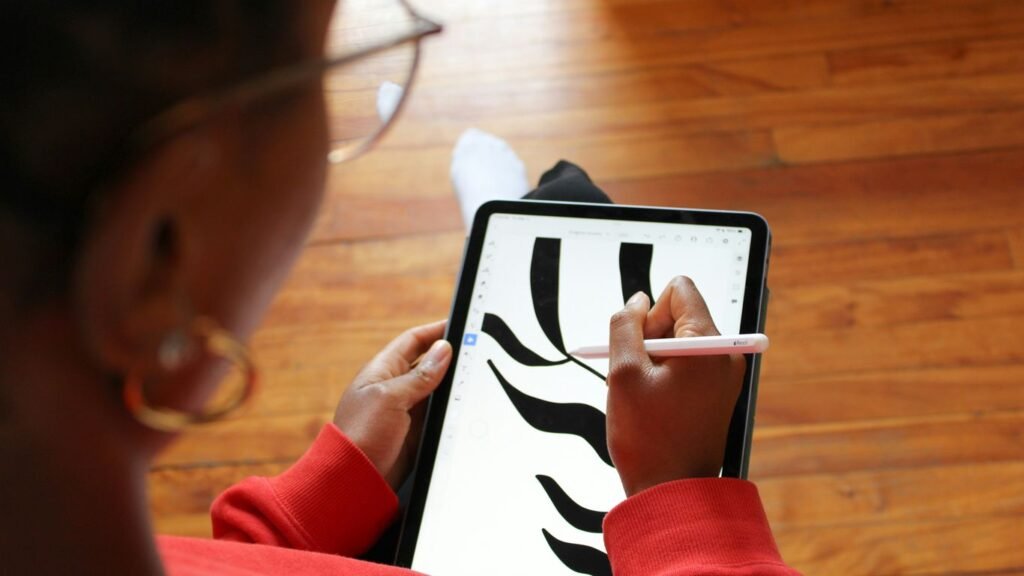
Thinking about starting your own clothing line in 2026? It sounds exciting, right? Like, you’ll be the next big thing in fashion. But honestly, it’s a lot more than just cool designs. You’ve got to figure out who you’re even selling to, how to make the clothes without going broke, and then actually get people to buy them. It can feel like a huge mountain to climb, but it’s totally doable if you break it down. This guide is here to help you figure out how to open a clothing line, step by step, so you don’t get lost in the process.
Key Takeaways
- Before you even think about designs, figure out who you want to sell to and what makes your brand different. This is the first step in how to open a clothing line.
- Write down a simple plan for your business. It doesn’t need to be fancy, but it should cover your ideas, costs, and how you’ll sell things.
- Know your numbers. Figure out how much money you need for everything, from making samples to marketing, so you don’t run out of cash.
- Find the right people to make your clothes. Look for manufacturers who can handle small orders at first and make good quality stuff.
- Plan how you’ll tell people about your brand. Use social media, email, and maybe even local events to get the word out and make sales.
So You Wanna Be the Next Fashion Icon? Let’s Get This Bread!

Alright, so you’ve got that itch, that burning desire to see your designs strutting down the runway (or, you know, just looking good on Instagram). You want to launch a clothing line. Awesome! But before you start sketching furiously and dreaming of your name in lights, let’s pump the brakes for a hot second. This isn’t just about cool threads; it’s about building a business that doesn’t tank faster than a cheap pair of leggings after one wash. We’re talking about making actual money, not just collecting a closet full of your own creations.
Finding Your Niche: Because Not Everyone Needs Your ‘Art’ T-Shirts
Look, the world doesn’t need another generic graphic tee. Seriously. Unless your ‘art’ is something truly mind-blowing, like a t-shirt that dispenses free pizza, you need to get specific. Think about it: who are you even making these clothes for? Are you catering to the sustainably-minded minimalist, the rave-ready maximalist, or maybe the folks who just want comfy pants that don’t scream ‘I gave up’? Finding a niche is like finding your tribe – it’s where you’ll find your most loyal customers. Trying to be everything to everyone is a fast track to being nothing to anyone. So, what’s your angle? What makes your brand stand out in a sea of fast fashion and vintage finds? Maybe it’s ethically sourced materials, or perhaps it’s a specific subculture you’re tapping into. Whatever it is, nail it down.
Who Are These People Anyway? Defining Your Dream Customer (Who Actually Buys Stuff)
Once you’ve got your niche, it’s time to get a little stalker-ish (in a good way, promise!). Who is this person who will actually hand over their hard-earned cash for your designs? We’re not just talking age and location here. Dig deeper. What are their values? What do they do on weekends? What other brands do they obsess over? What problems are they trying to solve with their wardrobe? Are they looking for durable workwear, statement pieces for nights out, or just really, really soft loungewear? Understanding your ideal customer is key to making stuff they’ll actually want to buy. For example, if you’re selling a killer dragon-print t-shirt for $19.39, you need to know if your target audience is into that kind of bold Chinese dragon design statement.
Market Research: Stalking Your Competition (For Research Purposes, Obviously)
Okay, time for some good old-fashioned detective work. Who else is playing in your sandbox? Don’t just glance at their websites; really look at what they’re doing. What are their price points? How do they market themselves? What are their customers saying in the reviews (the good, the bad, and the ugly)? This isn’t about copying them; it’s about learning from them. Identify what they’re doing well and, more importantly, where they’re dropping the ball. Maybe their sizing is all over the place, or their customer service is notoriously slow. These are your opportunities! You can learn a lot by observing the landscape, and it helps you figure out where your brand can truly shine. A solid business plan will often include a thorough competitive analysis, so getting a head start now is smart.
Building a clothing line is a marathon, not a sprint. Rushing into production without a clear vision of your niche and target audience is like trying to run that marathon in flip-flops. You’ll stumble, you’ll get blisters, and you’ll probably end up way behind where you wanted to be.
The Business of Looking Good: Making It Official (and Not Illegal)
Alright, so you’ve got the killer designs and a vision that’s brighter than a disco ball. Awesome. But before you start picturing your threads on billboards, we gotta talk about the less glamorous, but totally necessary, stuff. This is where we turn your fashion dream into a legit business, so you don’t end up accidentally breaking laws or, worse, looking like a total amateur. Nobody wants that.
Your Brand’s Blueprint: The Business Plan That Isn’t a Snooze Fest
Think of a business plan as your brand’s GPS. It tells you where you’re going and how you’re going to get there without getting lost in the fashion wilderness. It’s not just a boring document for banks; it’s your roadmap to actually making money. You need to figure out your mission – why does your brand even exist? What story are you trying to tell? Then, nail down your brand name and make sure you can actually get the website domain and social media handles. Seriously, do that first. Also, decide on your visual vibe: logo, colors, fonts. Everything needs to match. And how will you talk to people? Are you super serious, or more like that funny friend who always has the best gossip? Your brand voice needs to click with your target customers. This is all about building an identity that people can recognize and, more importantly, trust. It’s the soul of your company, and it’s what turns shoppers into fans.
Budgeting Like a Boss: How Much Dough Do You Really Need?
Let’s talk money. This is where passion meets reality. You can’t just magic inventory into existence. You need to figure out how much cash you actually need to get this whole thing off the ground. It’s not just about buying fabric; it’s about photography, website fees, maybe some legal stuff, and definitely a buffer for when things go sideways (because they will). Don’t just guess; make a real budget. Think about the costs for samples, production runs, marketing, and all those little things that add up. It’s easy to get excited and overspend, but a solid budget keeps you grounded. Remember, it’s better to start lean and grow than to go broke trying to be an overnight sensation. You might be surprised how affordable some things are, and how expensive others can be. For instance, getting some decent photos of your first product, like a funny workout tee, doesn’t have to cost a fortune, but it makes a huge difference.
Legal Eagles and LLCs: Making Sure You Don’t End Up in Jail
Okay, this is the part where we make sure you’re playing by the rules. Nobody wants to deal with fines or, you know, actual legal trouble. First off, you need to decide on your business structure. A lot of people start with a sole proprietorship, but as you grow, you might want to look into forming an LLC. This basically separates your personal stuff from your business stuff, which is a good idea if you don’t want your personal savings to be on the line if something goes wrong. It’s a common choice for business owners looking to safeguard their personal finances while establishing their brand. You’ll also need to register your business name and potentially trademark it so nobody else can steal your cool brand. Depending on where you are, you might need specific licenses or permits to operate. It sounds like a drag, but getting this sorted early saves you a massive headache later. Think of it as investing in your brand’s future security. You’ll also want to look into business insurance – it’s not just for big corporations. It protects you from unexpected stuff, like if someone trips over your display at a pop-up or if there’s an issue with your product. It’s all about being prepared and looking professional, not like you’re just winging it.
The biggest mistake new brands make is thinking they can skip the boring business stuff. But honestly, that’s the stuff that keeps you in business. Professionalism isn’t just about how your clothes look; it’s about how your entire operation runs. From your website to your legal paperwork, everything needs to scream ‘legit’.
Here’s a quick rundown of what you might need to consider:
- Business Structure: Sole Proprietorship, Partnership, LLC, or Corporation. An LLC offers good protection.
- Registration: Register your business name with your state or local government.
- Licenses & Permits: Check local requirements for business operation.
- Taxes: Get an Employer Identification Number (EIN) if needed, and understand sales tax obligations.
- Intellectual Property: Consider trademarking your brand name and logo.
- Insurance: General liability, product liability, and potentially others depending on your operations.
From Sketchpad to Shop Floor: Bringing Your Designs to Life (Without Crying)
Alright, so you’ve got your killer niche and you know who you’re selling to. Now comes the fun (and sometimes tear-jerking) part: actually making the clothes. This isn’t just about doodling pretty pictures; it’s about turning those daydreams into tangible threads that people will actually want to wear. Let’s get this done, and hopefully, with minimal waterworks.
Designing Your Masterpieces: More Than Just Pretty Pictures
Forget just sketching what looks cool. You need to think like a designer, but also like a business owner. What trends are bubbling up? Check out magazines, stalk Instagram hashtags like #styleinspo, and see what influencers are rocking. But here’s the kicker: don’t just copy. Ask yourself, "How can I put my own spin on this for my specific audience?" You’re not just making clothes; you’re creating a vibe. Think about the fabric, the cut, the little details. A great design isn’t just about the graphic; it’s about how it feels and fits. You can use tools like Adobe Illustrator or even free design makers to get your graphics ready. And for goodness sake, make mockups! They’re way cheaper than a full photoshoot and give you a realistic preview. It’s like a dress rehearsal for your designs before they hit the big time. Remember, the quality of your design is a huge part of how good your clothes look in real life. You can find some cool designs, like this "C’mon Get Happy Retro Quail Family Cute Design", to get your creative juices flowing.
Finding Your Manufacturing Soulmate: Low MOQs and High Fives
This is where things can get tricky. You need someone to actually make your stuff. Don’t go thinking you can just walk into a factory and order 10 shirts. Most manufacturers have Minimum Order Quantities (MOQs), which means you have to order a certain amount. For a startup, this can be a budget killer. You’ll want to look for manufacturers who are cool with smaller orders, especially when you’re just starting out. This is where your business plan comes in handy – it should outline your production needs. You’ll need to give them a "tech pack," which is basically the instruction manual for your garment. It includes flat sketches, measurements for every size, the exact materials you want (down to the thread color!), and how it should be sewn. The more detailed this is, the less likely you are to end up with a pile of weirdly stitched shirts. It’s your blueprint, so make it crystal clear.
Sample Swag: Getting It Right Before You Go Big
Before you commit to a massive order, you absolutely, positively need samples. Think of this as your quality control checkpoint. You’ll get a prototype, then a fit sample to make sure it hangs right on a body, and then a pre-production sample that’s basically the final version. This is your chance to catch any weird fit issues or printing mistakes. Don’t just say "the sleeve feels weird." Be specific. "Increase the bicep width by 1.5 cm in size M and keep the sleeve length the same." Measurable feedback is gold. You’ll also want to check the color of the fabric and any trims. Getting samples might cost a bit upfront, but it’s way cheaper than dealing with unhappy customers and returns later. It’s your chance to iron out all the kinks before you go all-in.
The tech pack is your best friend in manufacturing. It’s the detailed blueprint that translates your creative vision into technical instructions, minimizing errors and ensuring your designs are produced exactly as you imagined. Without a solid tech pack, you’re essentially sending your manufacturer on a treasure hunt with a blurry map.
Here’s a quick rundown of what you’ll need for that all-important tech pack:
- Technical Drawings: Flat sketches of the garment from all angles (front, back, sides).
- Bill of Materials (BOM): A list of every single thing that goes into the garment – fabric, thread, buttons, zippers, labels, you name it.
- Measurements & Sizing: Detailed specs for each size you plan to offer.
- Construction Details: How the garment should be sewn – stitch types, seam finishes, etc.
- Color & Artwork Info: Specific color codes (like Pantone) and where any prints or embroidery should go.
The Grand Unveiling: Launching Your Brand Like a Rockstar
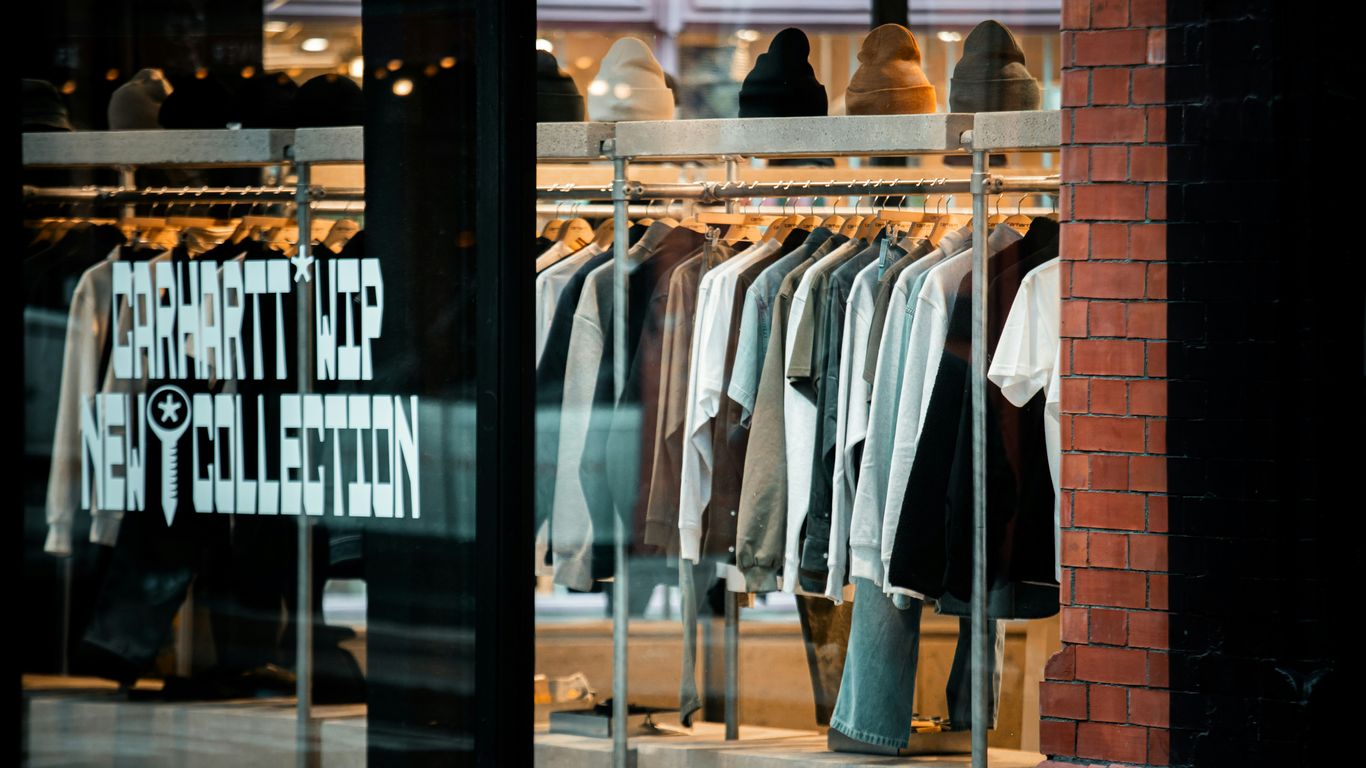
Alright, you’ve sweated over designs, wrestled with manufacturers, and probably survived on caffeine and sheer willpower. Now comes the moment of truth: showing your amazing creations to the world. This isn’t just about putting stuff online; it’s about making a splash, getting people talking, and actually selling some of those threads you’ve poured your heart into. Think of it as your brand’s big debut party – you want it to be memorable, right?
Your Online Boutique: Where the Magic (and Sales) Happen
Your website is your digital storefront, your brand’s home base. It needs to look good, feel good, and work like a charm. Forget clunky interfaces or blurry photos; this is where customers decide if they trust you. A slick, easy-to-navigate online store is non-negotiable. Think high-quality product photos that make people want to reach out and touch the screen, detailed descriptions that answer every possible question (seriously, include measurements!), and a checkout process smoother than a buttered slide. Platforms like Shopify or WooCommerce are your friends here. They handle the techy stuff so you can focus on making your brand shine. Don’t skimp on this part; it’s where the actual money gets made.
Pop-Up Shops and Cross-Promotions: Making Your Brand the Talk of the Town
While your online shop is your main stage, sometimes you need to get out there and meet people face-to-face. Pop-up shops are fantastic for this. They create a sense of urgency and exclusivity – people know it’s temporary, so they’re more likely to show up and buy. Plus, you get to see actual humans interacting with your clothes! It’s also a great way to collect email addresses for your mailing list. Partnering with other businesses for cross-promotions is another smart move. Think about brands that share your audience but aren’t direct competitors. Maybe a local coffee shop displays your flyers, or you include their business cards with your online orders. It’s all about getting your name out there in creative ways. You could even try product placement in complementary stores.
The Grand Opening Gala: Or Just a Really Good Instagram Post
So, how do you actually kick things off? You can go all out with an event, inviting local influencers, press, and friends. Think music, maybe some snacks, and definitely your best-selling items on display. Or, if a big bash isn’t your vibe (or budget), a well-executed digital launch can be just as effective. This means building hype on social media beforehand, running targeted ads, and sending out a killer email announcement to your list. Whatever you choose, make sure it feels authentic to your brand. It’s about celebrating your hard work and inviting people to join your journey. Remember that funny cat t-shirt you saw? Even something as simple as that can have a big launch if the marketing is right like this one.
Here’s a quick launch checklist:
- Soft Launch: Test your website and systems with a small group first.
- Hype Building: Tease your launch on social media for weeks.
- Email Blast: Announce your launch to your subscribers with a special offer.
- Feedback Loop: Be ready to listen to what your first customers are saying.
Launching is more than just flipping a switch; it’s a carefully orchestrated event designed to capture attention and build momentum. It requires planning, creativity, and a willingness to adapt based on initial reactions.
Keeping the Fashion Train Chugging: Marketing That Doesn’t Suck
Alright, so you’ve got your killer designs, your manufacturing sorted, and your online shop is looking slick. High five! But here’s the kicker: nobody’s going to buy your awesome threads if they don’t know they exist. That’s where marketing comes in, and trust me, it doesn’t have to be a soul-crushing chore. Think of it less like a chore and more like throwing a really cool party where everyone’s invited.
Social Media Shenanigans: Turning Likes into Loyal Customers
Social media is basically your digital storefront window, but way more interactive. It’s where you can show off your brand’s personality, connect with people, and, you know, actually sell stuff. Don’t just post product pics; tell stories. Show behind-the-scenes action, share customer love, and jump on trends (but, like, make them your own). Consistency is key here; showing up regularly keeps you top-of-mind. Think of it as your daily chat with your future customers. Are you going for a chill vibe like a comfy t-shirt for coffee lovers? Or something more specific, like a faith-based tee? Your posts should reflect that. Use Reels and TikToks to show off how your clothes move and fit – way better than a static photo sometimes.
Email Lists and Loyalty Programs: Because Freebies Make Friends
Social media is great, but you don’t own it. An email list? That’s all yours. It’s your direct line to people who are already interested. Offer a little something to get them to sign up – maybe a discount on their first order or early access to new drops. Once they’re on your list, nurture that relationship. Send out newsletters with style tips, new arrivals, and maybe even a little peek at what’s coming next. Loyalty programs are also a smart move. Reward your repeat customers; they’re the ones who will keep your business going. Think of it as giving a special nod to your biggest fans. Who doesn’t love a little exclusive treatment?
Styling Partnerships: Getting Your Threads on the Cool Kids
Collaborating with others can be a game-changer. Find influencers or other brands whose vibe matches yours. It’s not just about getting famous people to wear your stuff (though that’s cool too). It’s about reaching new audiences who might dig what you’re doing. Maybe you team up with a local photographer for a cool photoshoot, or partner with a complementary brand for a giveaway. The goal is to get your clothes seen by fresh eyes. Imagine your designs featured alongside other cool products, like a Christian Faith Scripture t-shirt for men, if that fits your brand’s ethos. It’s all about smart exposure.
Marketing isn’t just about shouting the loudest; it’s about connecting with the right people in a way that feels authentic. If your brand is all about comfort and good vibes, your marketing should feel that way too. Don’t try to be something you’re not. People can spot a fake from a mile away, and they’ll just scroll on by.
Here’s a quick rundown of what to focus on:
- Visuals: High-quality photos and videos are non-negotiable. People buy with their eyes first.
- Storytelling: What’s your brand’s
So, You’ve Got This!
Alright, so you’ve made it through the whole guide. Hopefully, you’re feeling less like you’re about to jump off a cliff and more like you’ve got a decent map. Remember, starting a clothing line is kind of like trying to assemble IKEA furniture without the instructions – it’s gonna be a bit messy, you might question your life choices, and there might be a few extra screws lying around. But hey, if you stick to the plan, keep your eyes on the prize (which is, you know, awesome clothes), and don’t forget to breathe, you might actually end up with something pretty cool. Now go forth and make some fashion magic happen… or at least try not to mess up the budget too badly. Good luck!
Frequently Asked Questions
What’s the very first thing I need to do to start my own clothing brand?
Before you even think about drawing clothes, you need to figure out who you’re making them for and what makes your brand special. Think about what kind of clothes you want to make and who would love to buy them. This helps you stand out from everyone else.
Do I really need a business plan?
Yes, even a simple one! A business plan is like a map for your brand. It helps you figure out what you’ll sell, how much it will cost, and how you’ll tell people about it. It keeps you focused so you don’t get lost.
How much money do I need to start?
It can cost more than you think! You’ll need money for designing, making samples, producing your first batch of clothes, setting up a website, and telling people about your brand. It’s smart to list all the costs and save up a bit extra, just in case.
Where do I get my clothes made?
Finding someone to make your clothes is super important. You want to find a manufacturer who makes good quality stuff and is willing to work with you, especially if you’re just starting out and don’t need to make thousands of items right away.
How do I get people to buy my clothes?
Once your clothes are ready, you need a place to sell them, usually online. You also need to tell people about your brand! Use social media, maybe team up with others, and make your online shop look awesome so people want to click ‘buy’.
What if my first collection doesn’t sell well?
Don’t worry if things aren’t perfect right away. The most important thing is to learn from it. Ask customers what they liked and didn’t like, see what sold best, and use that information to make your next collection even better. Keep trying and improving!